
Applications
-
 Application in the field ofWarehouse and logistics
 -
 Application in the field ofFood Packing
 -
 Application in the field ofBiodegradable
 -
 Application in the field ofbuilding materials integated packing
 -
 Application in the field ofpaper industry
 -
 Application in the field ofHotel Industry
 -
 Application in the field ofauto parts packing
 -
 Application in the field ofApplications
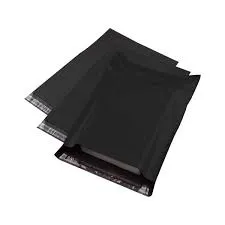
plain postage satchels
Field Notes: Why Frosted Drink Carriers Are Now a Must-Have for Takeaway A few years ago, most coffee and milk-tea shops handed over cups in generic totes and prayed nothing spilled on the way home. Today, the quiet hero is drink carrier bags —specifically frosted, double-cup designs that keep condensation, dust, and street grit where they belong: outside. I’ve toured plants and sat with ops teams; honestly, the difference in delivery ratings is not subtle. Product at a glance Product: Milk Tea And Coffee Take Away Bag – Double Cup Handbag (Frosted Clear Handle) by LIYA. Origin: Plastic Packing Park, Xiongxian, Baoding, Hebei province, China 071800. These are built for restaurants and milk tea shops that need leak‑resistant, dust‑proof carriage with branding options. Why operators are switching Spill control and cup isolation cut refund rates—many customers say returns “virtually stopped.” Brand space for logos, promos, QR codes; actually useful for loyalty sign-ups. Frosted finish hides condensation; looks cleaner on delivery photos, which—surprisingly—affects ratings. Typical specifications (real-world use may vary) Material Food-contact PE film (LDPE/HDPE blend), frosted finish Cup capacity 2 compartments (fits 12–24 oz cups) Film thickness ≈ 60–80 μm Load rating ≈ 3–4 kg (ASTM D882 tensile reference) Handle Reinforced die-cut with stress-relief radius Sealing Bottom heat-seal + side gussets Printing Up to 6 colors, solvent or water-based flexo Temperature range ≈ −10°C to 70°C (short duration) Certifications Compliance on request: GB 4806.7, FDA 21 CFR 177.1520, EU 10/2011 How they’re made (quick process flow) Material prep: food-grade PE resins; optional slip/anti-block additives for smooth insertion. Blown film extrusion: controlled melt index for tear resistance; frosted clarity tuned by cooling. Printing: flexographic, low-odor inks; drying temp tuned to prevent ghosting. Bag conversion: gusset folding, bottom heat seal, dual-cup partition, handle die-cut and reinforcement. QC and testing: seal burst test, drop test (≈ 0.8 m, ASTM D1709 reference), tensile (ASTM D882), odor and migration checks to applicable food-contact rules. Service life: around 12–18 months in cool, dry storage away from UV. Industries: QSR, bubble tea, cafés, ghost kitchens, hospital canteens, convenience retail. Vendor snapshot (what buyers compare) Criteria LIYA Trader A Small Plant B MOQ ≈ 10,000 ≈ 20,000 ≈ 5,000 Lead time 7–15 days 15–25 days 10–20 days Customization Size, color, logo, handle, partitions Limited colors Basic sizes Cert docs Food-contact compliance packs On request Partial Unit cost (FOB) ≈ $0.018–0.035 ≈ $0.022–0.040 ≈ $0.017–0.030 After-sales Batch traceability, replacement policy Case by case Limited Customization tips Choose frosted opacity that still shows cup labels; drivers appreciate quick ID. Ask for reinforced seals if you run ice-heavy beverages. Print QR + promo copy above the handle—less smudge risk. Real-world feedback and test data In one regional bubble-tea rollout (internal ops notes), moving to drink carrier bags with dual compartments cut spill incidents by ≈ 38% week-over-week. Lab checks on a typical LIYA batch showed seal burst at ≈ 18–22 N and no detectable odor post-print curing (GB 4806.7 guidance). To be honest, the quiet upgrade was handle comfort—drivers mentioned fewer finger marks after long shifts. Where they shine drink carrier bags fit dine-out peaks, late-night ghost-kitchen runs, office coffee shuttles, and even hospital wards where dust control matters. For chains, the branding canvas is free real estate on every delivery selfie—small thing, big reach. Authoritative citations ASTM D882 – Standard Test Method for Tensile Properties of Thin Plastic Sheeting. GB 4806.7-2016 – National Food Safety Standard: Food Contact Plastic Materials and Articles (China). EU Regulation No 10/2011 on plastic materials intended to come into contact with food. FDA 21 CFR 177.1520 – Olefin Polymers for food contact.


0
Square Meters

0+
All Employees

0Tons
Annual Production

0+
Patent Certificate
OUR ADVANTAGE
-
 QUALITY & INNOVATIONWe certified by FDA,SGS, AEO,I-SO9001,I-SO22000 etc.,We have own innovation& research team ,In 2020, our company established an industry university research cooperation relationship with the National Engineering Research Center of Engineering Plastics, Institute of Physics and Chemistry, Chinese Academy of Sciences, and established the "Hebei Biodegradable Polymer Film Technology Innovation Center".
 -
 MORE RELIABILITY and End-to-end solutionMake more informed decisions with unlimited support from our team of product specialist,we guarantee the highest quality product and customer experience with every order! Get your packaging from certified manufacturers for reliable results every single time.
 -
 CUSTOMIZED SERVICEMore brand impact ,fully control the size of your packaging with no limitations to tailor your product , OEM&ODM Acceptable. Leave your customers with a lasting impression with solutions designed for brand impact and recognition.
 -
 SAVE COST &TIMEOur raw materials are directly purchased from large enterprises domestic and overseas such as Petro China, Sinopec, Sabic, Equate, Exxon Mobil, Dow Chemical, Total, and Borouge, ensuring the price advantage and quality of the raw materials. Benefit from expertly engineered solutions designed to save you as much time and money as possible.
-
LASTEST NEWS
-
EXIHIBITION
-
2026-04-02 17:16 Electronic Window Film - Smart Privacy & Energy Efficiency SolutionsThe Advantages of Electronic Window Film A Modern Solution for Comfort and Energy Efficiency In the -

2026-04-02 16:45 Estimating the Expenses for Tinting Your House WindowsCost to Tint House Windows An In-Depth Overview When considering the aesthetics and functionality of




 English